NOVEMBER 10, 2025
ETHICAL WORK
- Overview
- Artworks
ABOUT THE COLLECTION
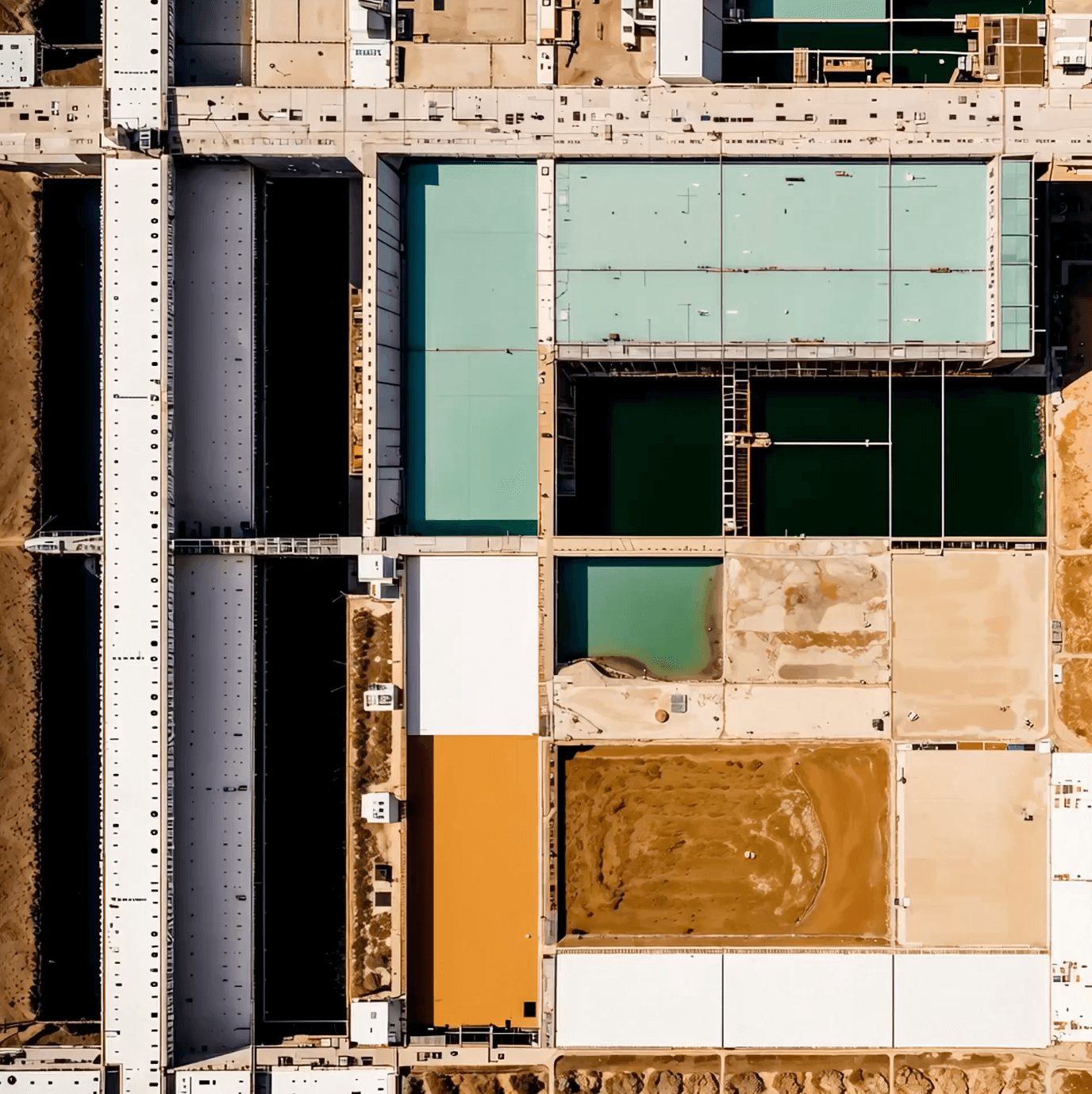
- With ETHICAL WORK Abosch is not interested in revealing how the images are made, but rather considers what they do once they appear. This body of work is focused on the substances and structures through which human life is built and sustained. The materials that enclose, nourish, and protect, yet also deplete, contaminate, and endure beyond us, are placed at the forefront. Whether industrial or organic, synthetic or elemental, these substances are never inert. Indeed, they carry with them the histories of extraction, design, and disposal. These works are labour-intensive. They are the result of baiting, coaxing, subverting and massaging the algorithm until materials are reconfigured into forms that hover between prototype and ruin, object and relic, architecture and debris. Their familiarity is paradoxical, insofar as they look like things we know, yet they resist clear identification, reminding us that the very stuff of culture is always unstable, always shifting between use and excess. By leading with these unstable thresholds, ETHICAL WORK calls attention to the ways matter itself becomes ethically charged with human intention, cultural bias, and ecological consequence. While Abosch has chosen to confront the ethical conditions under which images, materials, and environments intersect, those conditions extend far beyond what is depicted. They include the energy-intensive infrastructures of cloud computing and GPUs, the unresolved debates over authorship and copyright in synthetic media, and the contested assertions of responsibility that come with AI image production itself. What does it mean to aestheticise the substances that sustain and exhaust us, while relying on computational processes that consume vast resources? How do cultural values and political economies become inscribed in both material design and algorithmic generation? These works hold such questions open. They do not resolve ethics but compel us to remain within its unsettled field. The stakes of image-making can never be neutral.